The Hinge Generation 1945-1965
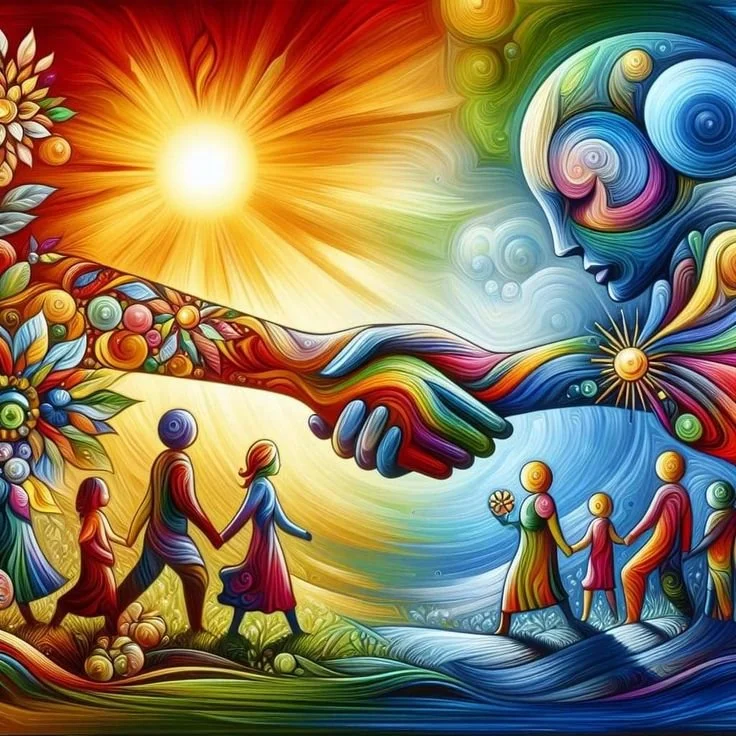
Think of a door.
A hinge doesn't go through the doorway itself—it allows the door to swing open.
Spiritually, the Hinge Generation is seen as the generation that:
Closes one cycle of human consciousness.
Opens another.
Lives with one foot in the old paradigm and one in the emerging one.
This can make life feel both challenging and deeply meaningful.
The Old Paradigm
Many describe the old paradigm as being built around:
Fear
Separation
Competition
Religious dogma
External authority
Survival consciousness
Suppressing emotions
Living according to expectations rather than authenticity
The Hinge Generation often grew up immersed in these systems.
The New Paradigm
The "new" paradigm is often described as emphasizing:
Inner wisdom
Unity
Compassion
Authenticity
Personal responsibility
Healing trauma
Emotional intelligence
Conscious relationships
Remembering one's spiritual nature
The shift isn't viewed as escaping the physical world, but bringing greater awareness into everyday life.
Why Many Older Adults Feel Like They Belong
Many people in their 50s, 60s, and 70s describe awakening later in life.
They often say:
"Everything I believed suddenly looked different."
After decades of living one way, they begin questioning inherited beliefs, healing old wounds, and finding a more personal sense of spirituality.
From this perspective, their role is less about starting the new world and more about helping bridge it.
Characteristics Often Attributed to the Hinge Generation
People who identify with this idea often report experiences such as:
Feeling different from an early age
Questioning societal norms
Undergoing major life changes later in life
Feeling called to heal family patterns
Releasing shame and fear
Becoming less interested in status or approval
Feeling drawn toward service
Wanting truth more than certainty
Feeling a desire to leave the world a little better than they found it
These are not universal traits, but recurring themes in personal spiritual narratives.
The Spiritual Work
The Hinge Generation's work is often described as healing what previous generations couldn't fully address, such as:
Generational trauma
Religious wounds
Limiting beliefs
Fear-based thinking
Emotional suppression
Patterns of control and shame
Rather than blaming the past, the emphasis is on transforming inherited patterns.
A Different Kind of Legacy
Instead of leaving only material wealth, people sometimes describe the Hinge Generation as leaving behind:
Greater emotional freedom
Healthier family dynamics
Wisdom gained through experience
More open conversations about mental, emotional, and spiritual well-being
Permission for future generations to live more authentically