On a Personal Note

One of the most profound discoveries on my spiritual path has been realizing that true healing happens naturally when we embody what we learn. Spiritual growth is not just about gathering knowledge; it is about living it.
For me, this became undeniable through the healing of my own nervous system. As I committed to inner work and trusted the process, I began to experience real change. I had faith that each step appearing before me was there for a reason, placed directly on my path for me to follow.
In the past, I would often recognize an invitation to grow but hesitate to engage with it. This time was different. Instead of simply understanding the lesson intellectually, I embodied it. With each step I took, greater clarity emerged. What once felt uncertain began to make sense. Every insight I applied led me closer to the peace, freedom, and stability I experience today.
For years, I asked for signs and searched for ways to connect with something greater than myself. Looking back, I can see that the answers were often there, but my attention was consumed by the distractions and demands of everyday life. The path was always unfolding before me.
What has been most rewarding is witnessing how real this process is. The more I trusted my path and acted on the guidance I received, the more my life transformed. Healing was not something I had to force. It emerged naturally as I aligned with my truth, trusted the journey, and embodied each lesson as it arrived.
Hidden Purpose Behind Difficult Relationships

Most people enter relationships hoping for love, connection, understanding, and companionship. Yet some of the most important relationships in our lives bring pain, disappointment, conflict, or heartbreak. While these experiences can feel unfair, many spiritual teachings suggest that difficult relationships often serve a deeper purpose.
The people who challenge us the most frequently reveal the parts of ourselves that are ready to be healed. They expose our fears, insecurities, wounds, and limiting beliefs—not to punish us, but to make us aware of what has been hidden beneath the surface.
A difficult relationship may teach us how to establish healthy boundaries. It may reveal where we have abandoned ourselves in pursuit of approval from others. It may reveal patterns of codependency, people-pleasing, fear of rejection, or the need to control outcomes. Through these challenges, we are allowed to become more conscious of ourselves.
From a spiritual perspective, difficult relationships can act as mirrors. The behaviors we react to most strongly in others often point us toward aspects of ourselves that require greater understanding, acceptance, or healing. This does not mean we are responsible for another person's actions, but rather that every relationship provides valuable information about our inner world.
Some relationships enter our lives for a season rather than a lifetime. Their purpose may not be companionship but transformation. The pain they create can become the catalyst for personal growth, deeper self-awareness, and spiritual awakening.
When viewed through this lens, difficult relationships become teachers. They encourage us to move beyond blame and ask a more empowering question: "What is this experience trying to teach me?"
The hidden purpose behind difficult relationships is often not found in changing the other person. It is found in discovering more of ourselves. Through every challenge, we are given the opportunity to grow in wisdom, strengthen our connection to our inner truth, and choose love over fear.
Our Ego vs Our Soul
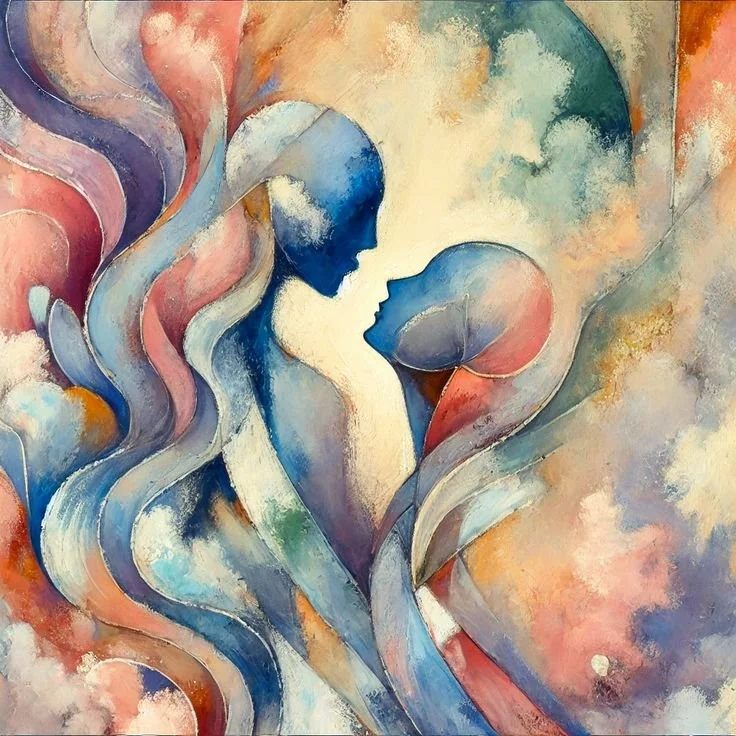
The Ego
The ego is the part of you that identifies with your personality, your history, your achievements, your fears, and the roles you play in life. It helps you function in the physical world, but it often operates from a sense of separation.
The ego tends to ask:
"How do I protect myself?"
"What do others think of me?"
"How can I control this situation?"
"What's in it for me?"
"Am I enough?"
The ego is often motivated by fear, comparison, approval, judgment, and the need for certainty. It is not "bad"—it serves a purpose—but it can become dominant when we mistake it for our true identity.
The Soul
The soul is often described as the eternal aspect of your being—the deeper consciousness that exists beyond your personality and temporary life circumstances.
The soul tends to ask:
"What can I learn from this?"
"How can I grow?"
"How can I express love and truth?"
"What is the deeper meaning here?"
"What is my inner guidance telling me?"
The soul operates from wisdom, compassion, connection, authenticity, and trust. Rather than seeking control, it seeks understanding and growth.
Have you experienced this?
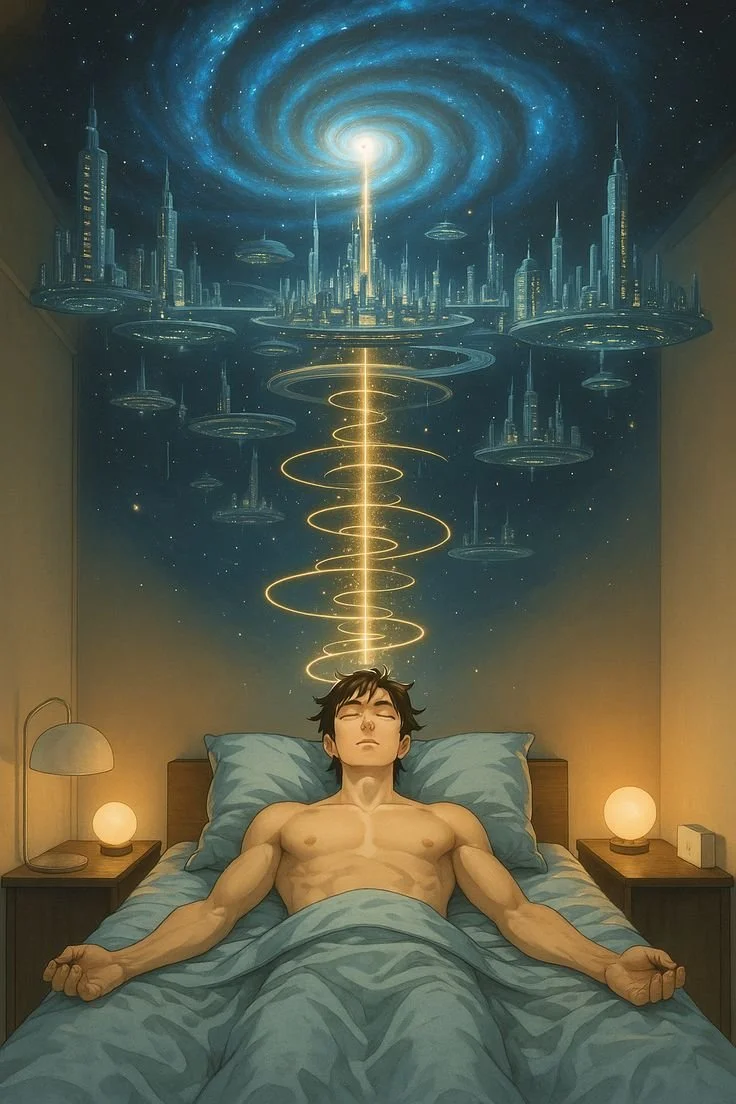
A deep spiritual activation can sometimes bring exhaustion unlike anything you have felt before. It is not ordinary tiredness that a nap or a good night’s sleep can easily fix. It is a heaviness that asks you to pause completely — to stop what you are doing, lie down, close your eyes, and turn inward. If even for 20 minutes.
The moment your eyes close, your body may feel weighted, almost as if you are melting into the very furniture beneath you. Time slows. The outside world fades, but your mind is still aware as your body sleeps.
Some people describe this experience as a form of yogic sleep—a sacred state of rest where the body quiets, allowing the soul to recalibrate, restore, and realign.
Have you felt this? Are you feeling this now? If you have, you’re being divinely restored.
Signs Are meant to be felt
People often ask for signs from the universe or from loved ones who have passed on, but are they truly present enough to notice them when they arrive?
Most people move through life on autopilot, distracted and disconnected from the quiet language of the universe. They do not realize that the universe is constantly trying to get their attention. Signs are rarely loud or obvious. The universe speaks softly, subtly, and gently. If you are not fully present, you may miss the very thing you prayed for.
And these signs carry meaning. They carry guidance, comfort, confirmation, and sometimes even life-changing insight.
Some people do notice the signs. They acknowledge them for a brief moment, but then quickly dismiss them as a coincidence. But I do not believe in coincidences. I believe the universe places meaningful moments, symbols, and encounters along our path for a reason.
I like to think of signs as puzzle pieces — little notes from God, breadcrumbs scattered throughout our lives. One small sign may not make sense on its own, but over time, the pieces begin to connect. Eventually, they can reveal an entire picture, leading us toward deeper understanding, spiritual awakening, or even the realization that life is far more connected and meaningful than we once believed.
When we slow down enough to embrace the signs, take them to heart, and feel gratitude for them, that is when the magic begins.
Each time we acknowledge a sign instead of dismissing it, it is almost as if we are telling the universe — or God — “I am paying attention. I am listening. I am grateful. I am ready for more.”
And more begins to unfold.
As easy as it is to brush signs away as coincidences, it is just as easy to welcome them, reflect on them, and allow them to guide us. Once I began taking my own advice and truly paying attention, life became more meaningful, connected, and even magical. Small encounters began leading to profound insights.
So the next time you notice a sign, pause for a moment. Let yourself feel it. Reflect on it. Then do the same with the next sign, and the next.
This is how spiritual awakening begins — not all at once, but one small puzzle piece at a time.
Accessing the Akashic Field by Prayer

Akashic Prayer for Guidance and Clarity
I call upon the Light of Divine Truth,
the wisdom of my Higher Self,
and the loving energies that walk in alignment with the highest good.
May I be surrounded with protection, peace, and clarity.
May only energies of love, truth, compassion, and wisdom be present here.
I open my heart with humility and trust.
If it is for my highest good,
I ask to gently access the wisdom available to my soul at this time.
Help me release fear, confusion, and illusion.
Help me see with clear eyes and an open heart.
What am I ready to understand?
What healing is unfolding within me?
What truth would most support my path right now?
May I receive only what serves love, growth, peace, and awakening.
May I trust the guidance that comes with grace and discernment.
Thank you for the wisdom, protection, and light surrounding me now.
And so it is.
Afterward, sit quietly for several minutes. Don’t force anything. Simply notice:
feelings
mental images
memories
body sensations
words or phrases
sudden calm or knowing
Sometimes insight comes during the meditation, and sometimes later through dreams, synchronicities, or unexpected clarity during everyday life.
Keeping a journal nearby can help you recognize patterns over time.
You Have the Power to Heal Yourself
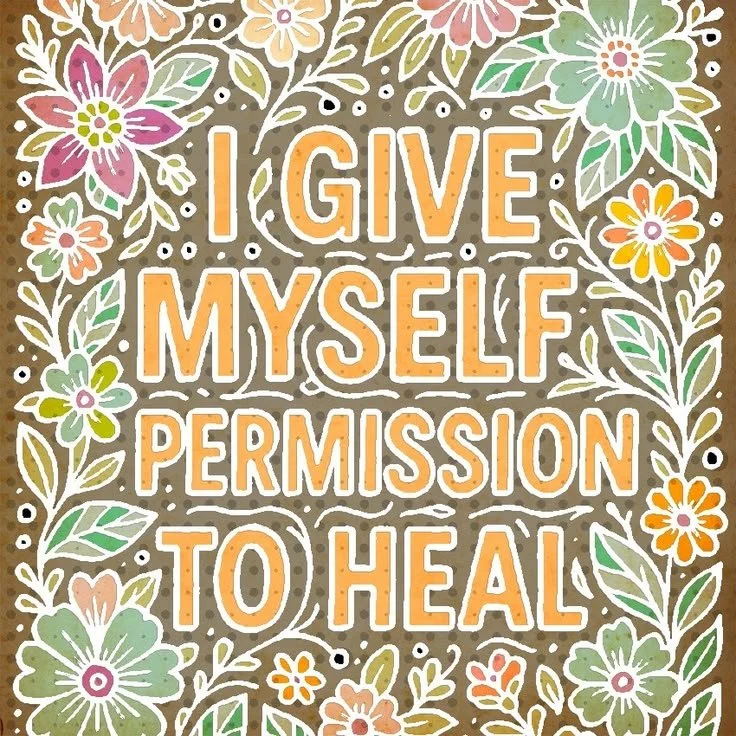
We each carry within us the power to heal ourselves. We are not defined by the childhood, teenage, or adult trauma we have experienced. Those experiences may shape parts of our journey, but they are not the truth of who we are.
From a spiritual perspective, many believe we chose certain paths before incarnating on Earth in order to learn, evolve, and awaken more quickly. Earth has often been described as the “Harvard and Yale” of the Universe — a place where souls come for profound growth and transformation. If we fulfill our soul contract and awaken to the deeper truth of our existence, we graduate from what many call “Earth School.”
Earth offers lessons and experiences that cannot be learned in the same way elsewhere. In that sense, being here is considered a privilege — almost like winning a cosmic lottery. Not every soul who wishes to incarnate here has the opportunity to do so.
At the same time, Earth is also a place of conditioning, programming, and distraction. Much of what humanity has been taught about reality, politics, religion, and identity may not represent the full truth. Part of our purpose here is to question, seek, remember, and awaken.
There are many spiritual paths that can lead toward truth. When I speak of spirituality, I am not referring to religion. In this context, spirituality means truth, inner knowing, and direct connection to the soul.
There are countless teachers, gurus, and courses being offered in the world today, but ultimately, the answers you seek already exist within you. True awakening is less about learning something new and more about remembering what your soul has always known.
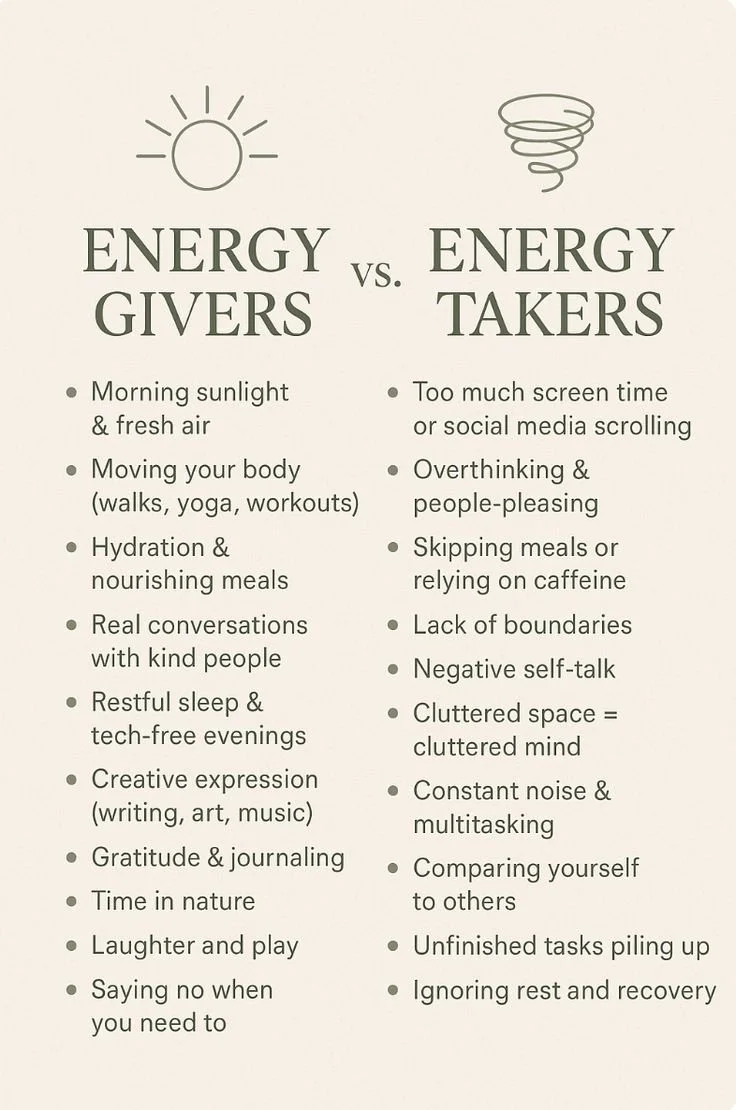
Truth resonates deeply. When your soul recognizes truth, you often feel it physically — as a sense of knowing, peace, resonance, or expansion within the body. That feeling is your soul remembering.
Many spiritual traditions believe that when we incarnate on Earth, we agree to temporarily forget our higher wisdom and memories so that the journey of awakening can unfold authentically. The path, then, is not about becoming something new, but about returning to what we truly are.
Where is Your Atlas Chakra?
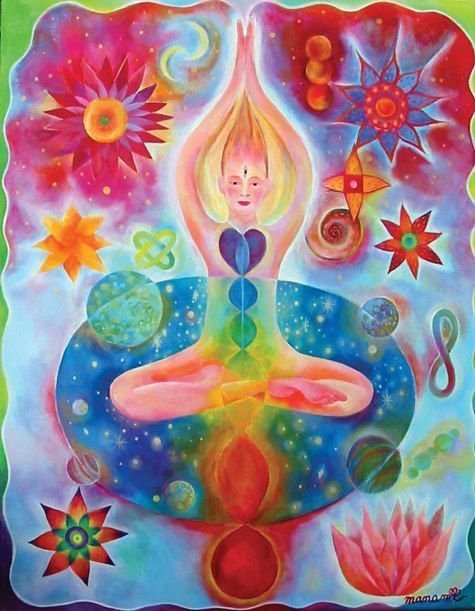
The “atlas chakra” is a modern energy concept, not part of traditional systems in Hinduism. It refers to the point at the top of the spine—where the skull meets the neck (the atlas vertebra).
This area is often described as a bridge between the physical body and higher awareness, sitting just below the Crown Chakra. It’s associated with alignment, clarity, and the flow of energy between the mind and body.
In energy work, it’s sometimes seen as a “reset point” for the nervous system—supporting release of tension, improved awareness, and a feeling of being both grounded and connected.
Are You Sure You’re Ready to Awaken?
There comes a moment on the spiritual path when curiosity turns into readiness. Not readiness to learn more, but readiness to truly hear—and more importantly, to embody—what has always been quietly waiting beneath the surface.
The truth about consciousness isn’t hidden because it’s complicated. It’s hidden because it asks something of you. It asks you to release what feels familiar. It asks you to see beyond the stories you’ve relied on. And sometimes, it asks you to let go of versions of yourself you’ve worked hard to build.
That’s why the truth can feel intense. Not because it’s harsh, but because it’s honest.
There’s a difference between being interested in spirituality and being available for it. Interest gathers information. Availability creates transformation. When you’re available, you’re no longer just collecting ideas—you’re allowing them to move through you, to shift you, to reshape the way you experience life.
And that requires a certain mindset.
It requires openness without force. It requires grounding without resistance. It requires a willingness to sit with discomfort without immediately trying to soften it or explain it away. Because sometimes, clarity doesn’t come wrapped in comfort—it comes as a quiet knowing that settles in after everything else falls away.
But here’s the beautiful part: you don’t have to rush into this readiness.
There is no prize for awakening too quickly. No reward for pushing yourself to understand something your system isn’t ready to hold. Growth that is forced doesn’t root deeply. Real integration happens when you meet truth at the pace your mind, body, and spirit can actually support.
So if something doesn’t fully land yet, that’s okay. It doesn’t mean you’re behind—it means you’re honoring your process.
And when you are ready, you’ll feel it.
Not as a dramatic breakthrough, but as a quiet steadiness. A sense that you can see more clearly without needing to react. A feeling that truth doesn’t overwhelm you—it expands you.
Spiritual awareness isn’t about chasing higher knowledge. It’s about becoming grounded enough within yourself to hold what is real.
And the more you soften into that space, the more you’ll realize:
The truth was never trying to challenge you.
It was waiting for you to be ready to receive it.
Gently. Fully. And on your own terms.
Trauma & Spiritual Awakening
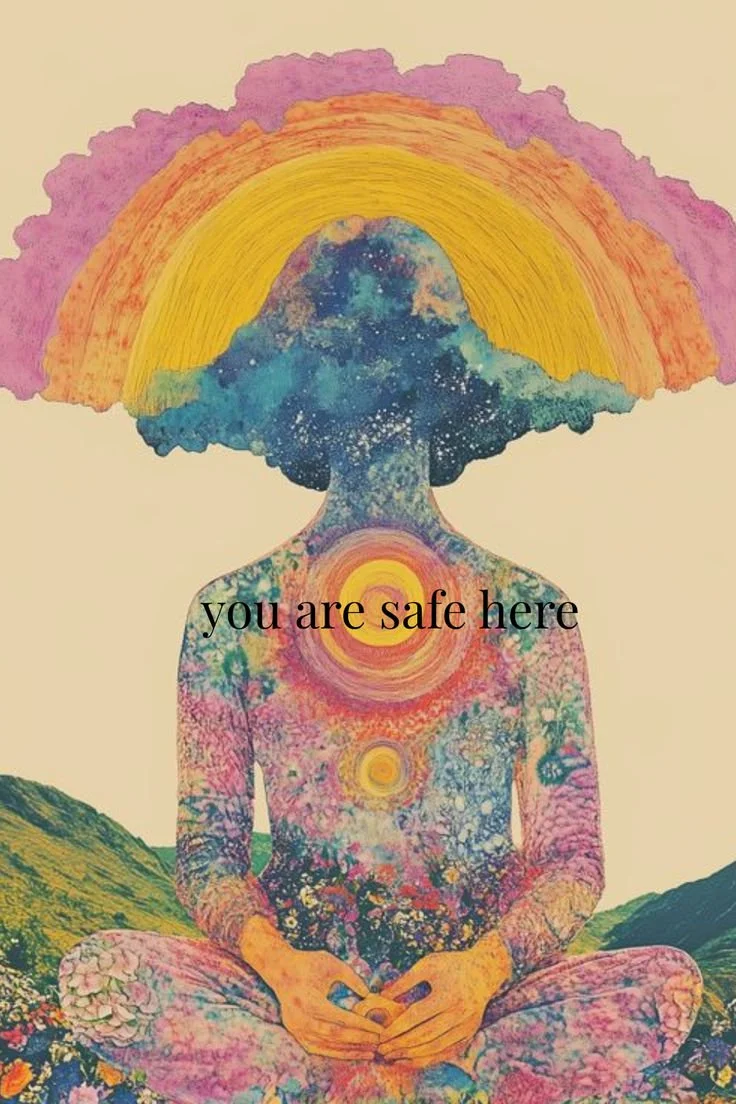
Spiritual awakening doesn’t always begin with peace—it often starts with disruption. Trauma or emotional pain can keep us questioning ourselves and searching for deeper meaning in life.
While trauma can act as a catalyst, it’s important to recognize that pain itself isn’t awakening. Intense experiences can sometimes be the nervous system trying to cope, not a spiritual breakthrough. The difference lies in integration—true awakening gradually brings clarity and presence, while unprocessed trauma leads to ongoing distress.
Grounding is essential. Therapy, rest, and supportive relationships are not separate from spirituality—they help stabilize it. Without this, it’s easy to fall into spiritual bypassing, using beliefs to avoid real healing.
At its healthiest, spiritual awakening isn’t about escaping pain—it’s about facing it and transforming your relationship to it.
Allow Yourself to Heal
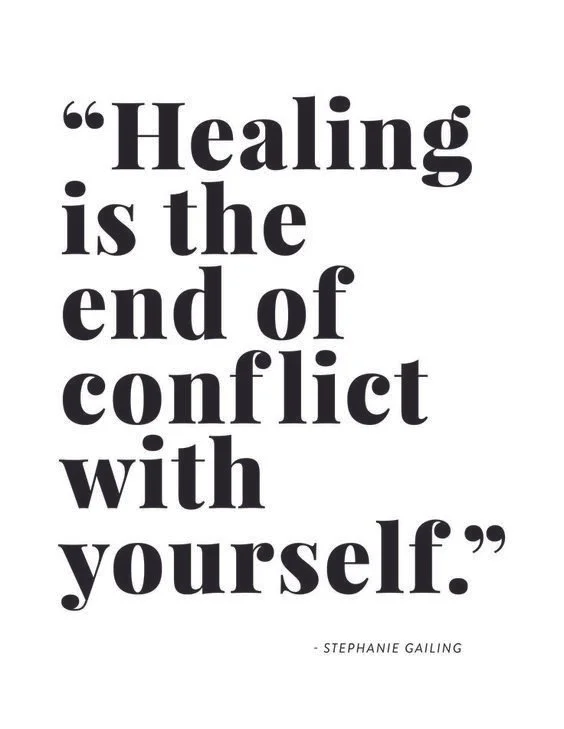
Spiritual self-healing isn’t about fixing yourself—it’s about remembering your natural state of wholeness. Your body, mind, and spirit are always communicating, guiding you back into balance when you’re willing to listen.
It begins with awareness. By noticing your thoughts, emotions, and sensations without judgment, you create space for healing. Even pain can carry insight, pointing to where you’ve become disconnected from yourself.
Practices like meditation, breathwork, and time in nature help clear the blocks, allowing your inner balance to restore itself. Healing, in this sense, is not something you force—it’s something you allow.
At the heart of it all is trust: trusting your process, your inner wisdom, and your capacity to return to peace.
Trees & Energy Healing
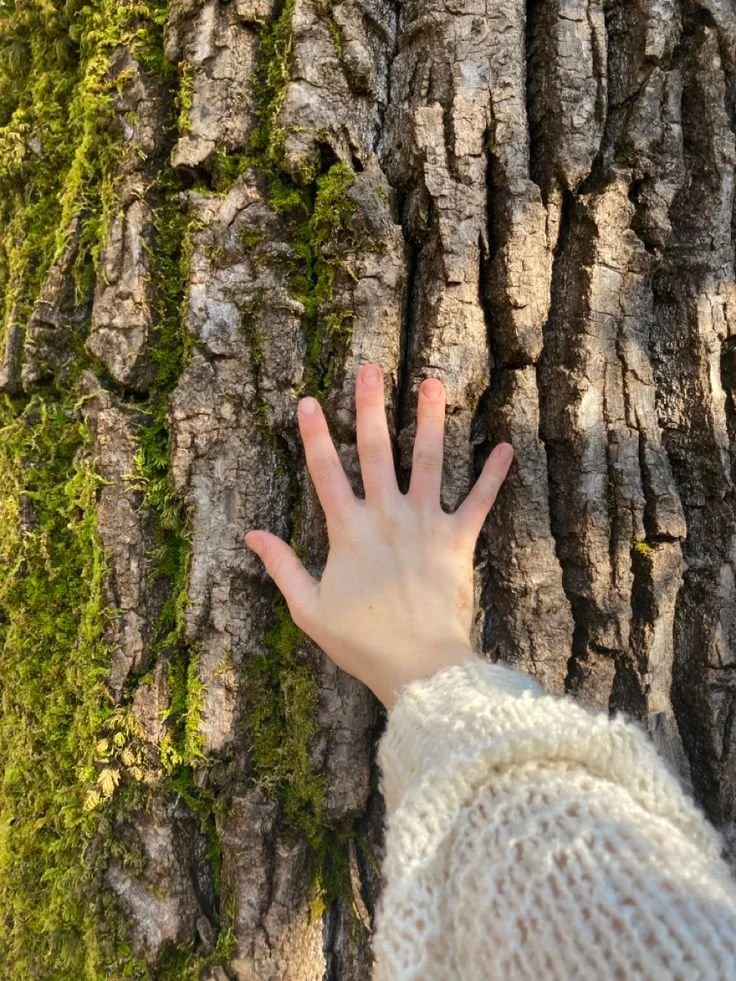
Here are a few ways people understand it:
1. Grounding and energy exchange
Trees are deeply connected to the Earth, so when you touch one, it’s often believed you’re “grounding” yourself. In spiritual traditions that work with ideas like energy flow, the tree can help absorb excess or chaotic energy from you while offering calm, steady energy in return. That’s why people often feel more centered or peaceful after.
2. Connection to life force (prana)
In systems like Prana or qi, trees are seen as full of life force because they are constantly growing, breathing, and exchanging energy with their environment. When you touch a tree, you’re consciously connecting to that flow of life energy.
3. Presence and stillness
Trees exist fully in the present moment. When you place your hand on one, it can naturally pull you into that same state—quieting your thoughts and bringing awareness to the now. This is why it can feel almost meditative without trying.
4. Emotional release and support
Some people experience trees as gentle “listeners.” You might feel emotions surface or soften. In certain spiritual practices, people intentionally place their hands on a tree and imagine releasing stress, grief, or confusion into it.
5. Symbolic connection to wisdom and longevity
Trees often represent stability, patience, and deep-rooted wisdom. Touching one can feel like tapping into something ancient and steady—especially older trees.
How Consciousness & Spirituality Intertwine
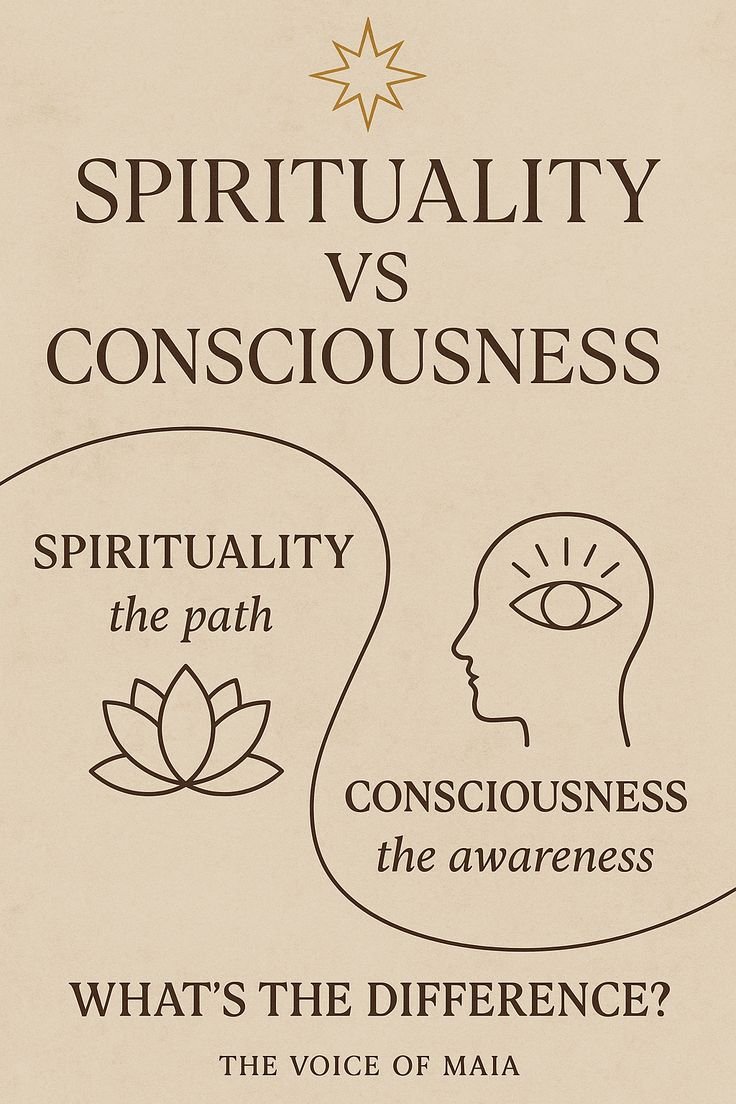
Consciousness is generally understood as awareness—your ability to perceive, think, and experience.
Spirituality is often the exploration of meaning, connection, purpose, and what may exist beyond the purely physical.
Where they overlap:
Awareness is the foundation of spirituality
Most spiritual paths involve becoming more conscious—of your thoughts, emotions, patterns, and deeper self.Spirituality expands consciousness
Practices like meditation, reflection, or energy work aim to expand awareness beyond everyday thinking.Both deal with perception of reality
Consciousness asks, “What am I aware of?”
Spirituality asks, “What does this awareness mean, and what is beyond it?”Inner vs. outer focus
As consciousness turns inward, it often leads to spiritual questioning—identity, purpose, connection to something greater.
A simple way to say it:
Consciousness is the vehicle, and spirituality is the journey.
Or even more directly:
Spirituality is what you explore through consciousness.
You can Heal Your Energy
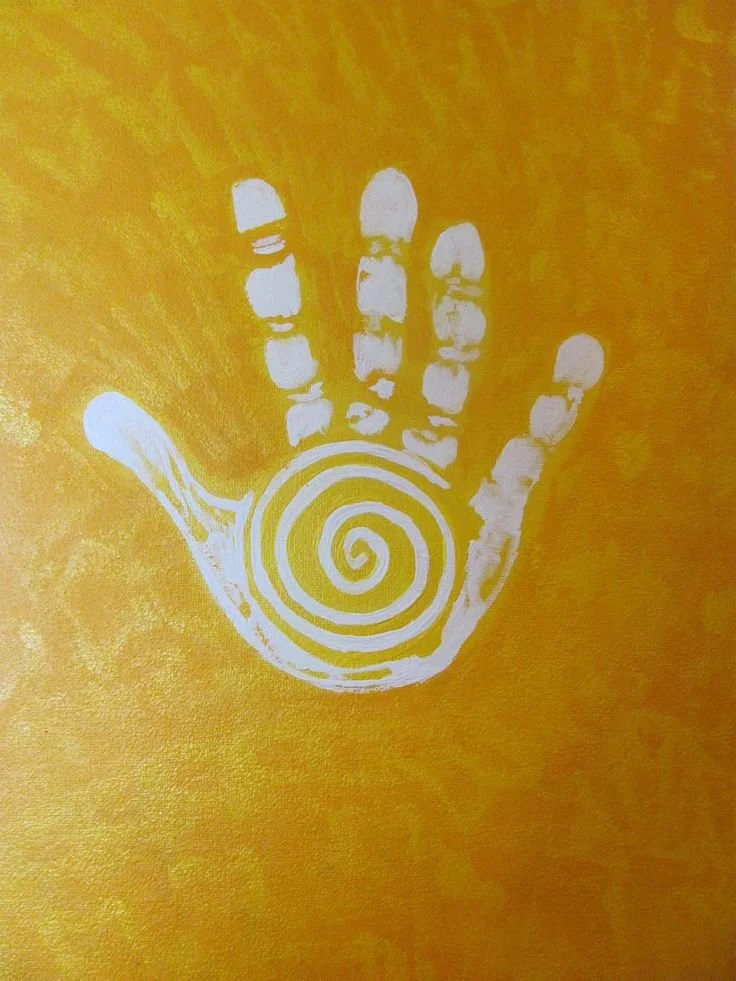
By healing your energy, you begin to clear emotional blockages and release old trauma and stored pain. In the process, you learn to let go of fear, shame, guilt, and resentment that were never yours to carry. As this unfolds, your understanding of sin begins to shift, and you start to see it in a very different way than you once did.
By healing your energy, you begin to embody the truth of who you truly are. You start to remove the masks you’ve been wearing, letting go of who you felt you had to pretend to be, and begin living more authentically.
The power already lives within your soul. Healing simply helps you reconnect with who you truly are through simple, grounded practices. I’m not teaching you anything new, I’m gently guiding you back to what your soul has always known.
Spiritual Bypassing
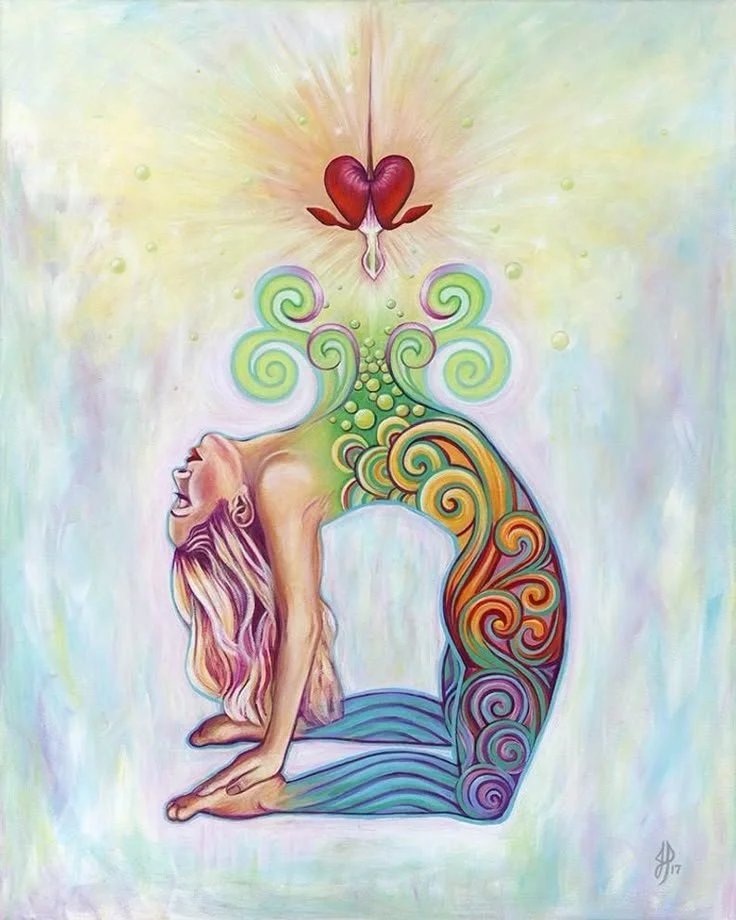
Spiritual Bypassing: When Spirituality Becomes an Escape
Spirituality is meant to help us grow, heal, and become more conscious. But sometimes, spiritual ideas are used in a way that avoids the very healing they’re meant to support. This is known as spiritual bypassing.
Spiritual bypassing happens when someone uses spiritual beliefs, practices, or language to avoid dealing with unresolved emotional wounds, trauma, or difficult life realities. Instead of moving through pain, they try to move around it by placing a spiritual label over it.
The result may look spiritual on the surface, but underneath, the deeper issues remain unhealed.
What Spiritual Bypassing Looks Like
Spiritual bypassing can show up in many ways. Some examples include:
Dismissing real emotional pain by saying “everything happens for a reason.”
Avoiding grief, anger, or fear because they are considered “low vibration.”
Believing that being spiritual means always being positive.
Using meditation or spiritual practice to escape life rather than engage with it.
Ignoring personal accountability by framing situations as “karma” or “soul contracts.”
Trying to transcend human emotions rather than understand them.
While these ideas may contain some truth in a broader spiritual context, they can become harmful when they are used to suppress authentic human experience.
Healing Requires Feeling
True spiritual growth does not mean bypassing emotions. It means becoming conscious enough to face them.
Anger, sadness, grief, confusion, and fear are not signs of spiritual failure. They are signals from within that something needs attention, healing, or understanding.
Spiritual bypassing often happens because feeling these emotions can be uncomfortable. But real healing happens when we allow ourselves to move through them instead of pretending they are not there.
Growth requires honesty with ourselves.
The Difference Between Bypassing and Integration
Real spirituality does not disconnect us from being human — it deepens our understanding of it.
Spiritual integration means allowing both awareness and emotion to exist together. It means recognizing the spiritual dimension of life while still doing the personal work required to heal wounds, change patterns, and take responsibility for our actions.
In other words, spirituality is not an escape from life.
It is a way of becoming more conscious within it.
Why This Matters
Spiritual bypassing can delay healing for years. When pain is covered with spiritual explanations instead of processed emotionally, the underlying wound often remains active beneath the surface.
Over time this can lead to:
unresolved trauma
emotional repression
confusion about personal boundaries
spiritual disillusionment
Recognizing spiritual bypassing is not about judging anyone. Many people fall into it because they are sincerely trying to grow or find peace.
Awareness is simply the first step toward a more grounded and authentic spiritual path.
A Grounded Spiritual Path
True spiritual development requires both awareness and inner work.
Meditation, energy work, prayer, and spiritual study can be powerful tools — but they work best when they are combined with emotional honesty, self-reflection, and a willingness to face our inner world.
Spirituality is not about rising above our humanity.
It is about becoming conscious enough to understand it, heal it, and live it more fully.
Individuation
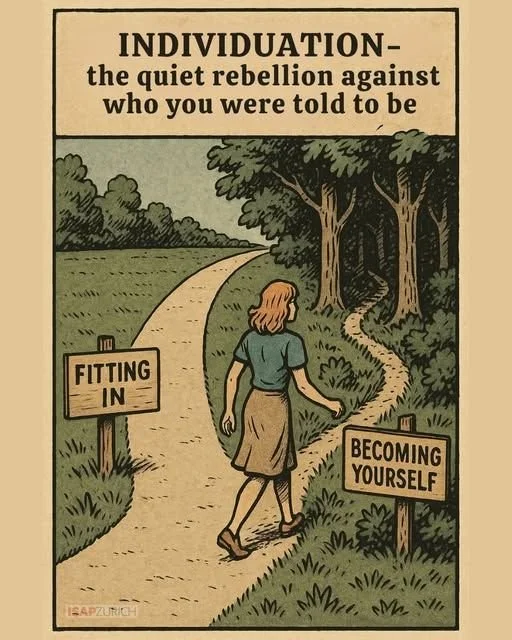
Spiritual Individuation: Becoming Your True Self
Individuation is the process of becoming who you truly are at the soul level. It is the journey of separating from conditioning, expectations, and inherited beliefs so that your authentic self can emerge.
Most people begin life shaped by family patterns, cultural beliefs, and social expectations. Over time, we can lose touch with our own inner truth while trying to fit into roles that were never fully ours.
Spiritual awakening often begins the process of individuation.
During this time, people may start questioning old beliefs, relationships, and life directions. What once felt normal may suddenly feel misaligned. This can be confusing or even uncomfortable, but it is a natural part of the soul reclaiming its voice.
Individuation is not about becoming separate from the world. It is about becoming whole within yourself.
It involves:
recognizing unconscious patterns
healing emotional wounds
integrating both light and shadow within yourself
learning to trust your own inner guidance
As this process unfolds, a person becomes less driven by external validation and more guided by inner clarity. The need to conform begins to dissolve, and authenticity becomes more important than approval.
Spiritually, individuation is the soul remembering itself.
It is the gradual return to your own inner authority, intuition, and truth. Instead of living from conditioning, you begin living from conscious awareness.
This process takes time. It is not a single moment of awakening, but an unfolding path of self-realization and integration.
In the end, individuation is not about becoming someone new.
It is about removing everything that was never truly you in the first place.
Empath Self-Descovery Quiz
Empath Self-Discovery Quiz
Do You Have Empathic Traits?
Empaths are people who naturally sense and absorb the emotions and energy of others. Take this quiz to explore whether you may have empathic tendencies.
Instructions:
For each statement, choose the answer that best describes you.
Scoring:
Often = 3 points
Sometimes = 2 points
Rarely = 1 point
Questions
1. I can sense when someone is upset, even if they don’t say anything.
2. Crowded places or busy environments feel overwhelming to me.
3. I feel other people’s emotions as if they were my own.
4. I am deeply affected by the suffering of people, animals, or the world.
5. After spending time with certain people, I feel drained or exhausted.
6. I easily notice subtle changes in people’s moods or energy.
7. I need regular time alone to recharge emotionally.
8. I often absorb the stress or anxiety of others.
9. I tend to put other people’s needs before my own.
10. Being in nature or quiet places helps restore my balance.
11. I have strong intuition about people and situations.
12. Emotional movies, music, or stories affect me deeply.
Your Score
Add up your points.
30–36 Points
Strong Empathic Traits
You likely experience emotions and energy very deeply. Many people in this range feel a strong connection to others, heightened intuition, and a need for solitude to recharge.
22–29 Points
Moderate Empathic Traits
You may have empathic sensitivity and emotional awareness, but it may not overwhelm you as frequently. You likely pick up on the feelings of others more than the average person.
12–21 Points
Lower Empathic Sensitivity
You may experience empathy in a more balanced or typical way. While you can still care deeply about others, you may not absorb emotions or energies as intensely.
Reflection
Empathy exists on a spectrum, and everyone experiences emotional sensitivity differently. This quiz is meant for personal insight and exploration, not as a diagnosis or label.
Religious Trauma Syndrome

RTS aka Religious Trauma Syndrome is a term used to describe the emotional, pschological, and spiritual distress that can arise from harmful religious experiences. It can develop when spiritual teachings are rooted in fear, control, shame, or rigid authority rather than compassion and personal growth. The effects often resemble symptoms of PTSD, Post-Traumatic Stress Disorder.
From a spiritual perspective, RTS can create a deep internal conflict. A person’s natural curiosity, intuition, and inner sense of truth may have been discouraged or even condemned. Over time, this can lead to fear of questioning beliefs, anxiety about divine punishment, or difficulty trusting one’s own inner guidance.
Many people healing from religious trauma describe feeling spiritually disconnected, not because they have lost their faith, but because their relationship with the sacred was filtered through fear-based teachings. In this way, the trauma is not about spirituality itself, but about the way spirituality was used.
Healing often involves gently reclaiming one’s personal connection with the sacred. This can mean allowing questions, rediscovering inner intuition, and redefining spirituality as something that supports peace rather than a fear.
For many people, the healing journey reveals that authentic spirituality is not built on shame or control. Instead, it grows through self-trust, compassion, and the freedom to seek truth from within.
True spirituality is not connected to religion.
Crystals are Not Tools

From the lens of “Garth,” an inner-earth spiritual consciousness, crystals would not be tools-they would be our elders. Crystals are described as living record-keepers. They are not inert minerals but structured consciousness-geometry that holds memory, frequency, and intention. Garth might say something like: “You do not command the crystal. You introduce yourself to it. You do not program it. You listen for how it wishes to serve.”
From Garth’s perspective, a crystal is not a battery. It is not a wish-fulfillment device. It is not an amplifier for ego desire. It is a stabilizer of harmonic fields. The difference between using and working with would be subtle but important.
Using a crystal is assigning it a job without consent. Treating it as an object that must perform, and discarding it when it no longer “works.”
Working with a crystal involves sitting with it first. Noticing how your nervous system responds. Asking inwardly, “How may we support each other?” Returning it to rest (earth, water, sunlight) with gratitude.
From an inner-earth consciousness perspective, crystals evolved alongside planetary formation. They carry slow time. When humans rush them into trend cycles or commercial consumption, that pace mismatch feels jarring. This is not to frame crystals as superior to humans, but as different expressions of planetary intelligence.
Spiritually speaking, the “disrespect” is not in touching or benefiting from them. The disrespect would be in: assuming dominance, ignoring their origin, and treating them as disposable metaphysical gadgets.
Before making a crystal purchase, take a second to ask the crystal if it would like to go home with you - feel its response.