The Indigo Children 1978-1995
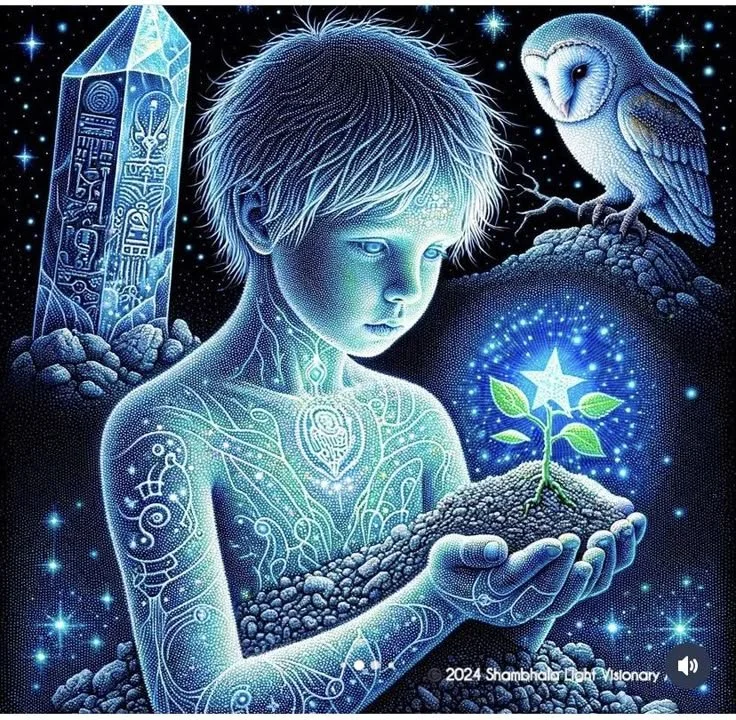
Indigo Children is a term used in spiritual and consciousness-based communities to describe individuals believed to be born with heightened intuition, sensitivity, and a strong inner sense of truth. These children are said to have been born between 1978 and 1995. These children are now adults who feel called to challenge outdated systems and bring about more conscious ways of living.
Commonly associated traits: While every individual is unique, those who resonate with the Indigo concept often report strong intuition and deep inner knowing, heightened empathy, and sensitivity to environments. They have a natural resistance to authority that feels misaligned or unjust. They have difficulty conforming to rigid systems or expectations. Indigos have a strong sense of purpose, even if it feels unclear early on. Indigos can feel “different,” misunderstood, or out of place from a young age.
Many Indigo individuals were historically labeled as “difficult or overly sensitive,” or “non-compliant,” when in reality they were responding to environments that didn’t honor their nervous system or authenticity.
Indigo Children & the Nervous System: From a holistic lens, Indigo traits often align with high sensory processing and deep emotional intelligence. These individuals tend to perceive subtle cues-energetic, emotional, or relational- that others may overlook. When supported, this sensitivity becomes a strength; when suppressed, it can lead to burnout, anxiety, or disconnection.
Today, Indigo Children, who are now adults, often seek meaningful, heart-centered work. They value authenticity over tradition. Indigos are drawn to healing, creativity, advocacy, or consciousness work. Indigos learn to regulate their nervous system while honoring their depth. At its core, the Indigo concept points to integration, learning how to live fully human while staying connected to their inner truth.
~Sue
A note on language and labels: The term Indigo Child is not a diagnosis and is not meant to elevate or separate one group as “more evolved” than another. Instead, it can be viewed as a symbolic framework, a way to describe a certain kind of sensitivity, awareness, and role within collective evolution.
