The Importance of Being Present
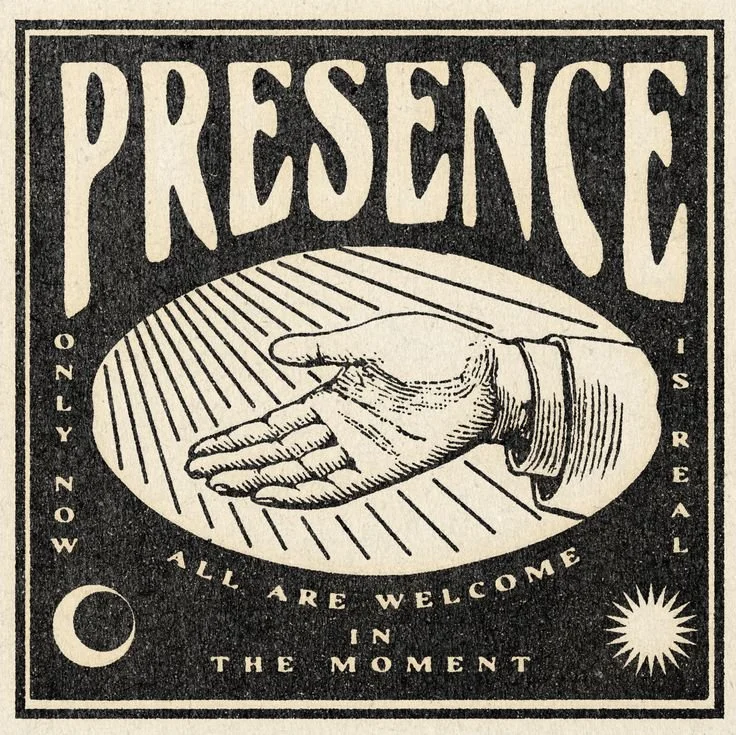
Being present is not about forcing the mind to be quiet or trying to fix ourselves. Presence is the simple, courageous act of meeting this moment exactly as it is - with the body, breath, and awareness aligned.
When we are present, the nervous system begins to feel safe. The body recognizes that now is not a threat, and from that safety, clarity naturally arises. This is why presence is both a spiritual and biological experience - the body must feel safe before the soul can fully arrive.
Much of our suffering comes from living in the past or the future. Presence gently brings us back into our bodies, reuniting thought, sensation, emotion, and spirit into one lived experience.
True spirituality does not bypass the body; it inhabits it. Presence allows spirituality to become tangible - felt in the breath, the ground beneath our feet, and the quiet knowing within.
To be present is to trust this moment enough to stay in it. From this place, healing, connection, and truth unfold naturally.
The Akashic Field

The Akashic Field is a universal, living field of information that exists beyond time and space. Rather than a place or record book, it is understood as a subtle field that holds the imprint of all experiences, thoughts, and potential realities.
Often referred to as the “Akashic Records,” this field has been described in modern terms as an informational or quantum field that connects all things. It is a cosmic memory field where information is preserved and accessible through resonance rather than intellect.
Access to the Akashic Field occurs through attunement, not belief. When the mind quiets and the nervous system is regulated, insight may arise as inner knowing, imagery, emotional recognition, or a deep sense of remembering.
The Akashic Field does not predict the future or override free will. It offers context and clarity, supporting awareness, integration, and conscious growth in the present moment.
Accessing the Akashic Field does not involve effort, belief, or special status. It occurs through attunement
When the nervous system is regulated and the mind becomes quiet, awareness can naturally resonate with this field. Information may be received as: Inner knowing, images or symbols, sudden clarity or insight, emotional recognition, and a deep sense of remembering instead of learning.
Addiction & Spirituality
From a spiritual lens, addiction is not a failure of will, but a response to pain, sensitivity, and disconnection. Highly intuitive or spiritually oriented individuals, especially those who carry a strong sense of purpose or a desire for service, often feel and absorb more than others. This sensitivity can make them more vulnerable during periods of overwhelm, trauma, or ungroundedness.
What is sometimes described as “negative targeting” is often experienced as persistent, low-frequency patterns that pull toward numbness or escape. These patterns aren’t punishments or proof of weakness; they tend to arise when a sensitive system is overloaded and seeking relief.
Healing isn’t about fighting darkness. It’s about restoring regulation, strengthening inner boundaries, and reconnecting a person with their own authority and support. As stability returns, these patterns naturally lose their hold.
*This reflection is offered as spiritual insight and lived understanding, not as a replacement for medical or therapeutic care.
Synchronicities: Why They Matter
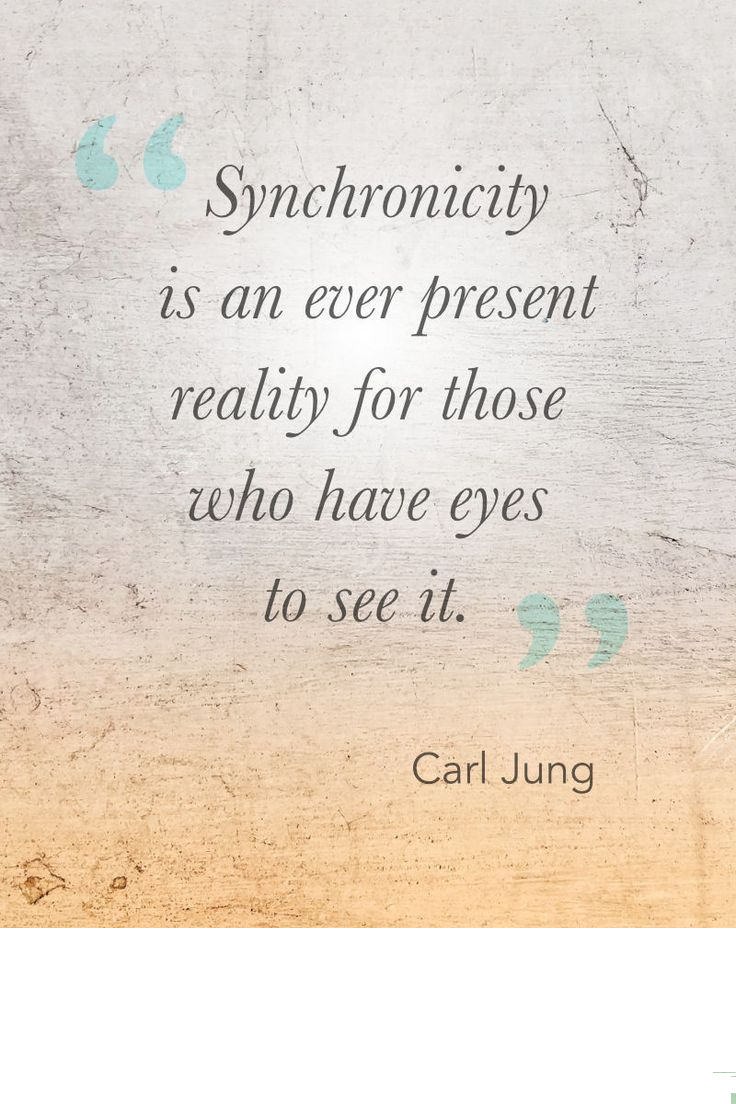
Synchronicities are meaningful coincidences, moments when life lines up in a way that feels intentional rather than random. They aren’t magical tricks or signs meant to be chased. Synchronicities are quiet confirmations.
When our inner world becomes more aligned - thoughts, emotions, and awareness - our perception sharpens. We begin to notice how life responds to that alignment. This is where synchronicities appear. Not because the universe is trying to impress us, but because we are finally present enough to see what’s always been happening.
From a consciousness perspective, synchronicities reflect coherence between our nervous system and the world around us. When we’re regulated, aware, and grounded, life flows with less resistance. Things connect more easily. Timing improves. Clarity increases.
Spiritually, synchronicities are gentle feedback. They don’t tell us what to do. They simply say, pay attention. They remind us that we are not separate from life; we are participating in it.
Synchronicities aren’t meant to be worshiped or feared. They’re markers of alignment. And alignment is always an inside job.
Synchronicities don’t change your path; they confirm the one you’re already walking. Synchronicities aren’t miracles; they’re markers that inner alignment is already happening.
Consciousness & The Nervous System
Consciousness is awareness experienced through the nervous system. It shapes how we perceive ourselves, others, and the world around us. Every thought, emotion, and bodily sensation is processed through this system, influencing how safe or threatened we feel in each moment.
When the nervous system is regulated, consciousness feels clear, present, and grounded. We are able to observe our thoughts and emotions without becoming overwhelmed by them. When the nervous system is dysregulated, awareness narrows, reactions intensify, and the body shifts into survival patterns rather than making conscious choices.
Healing does not begin by “fixing” the mind. It begins by restoring a sense of safety within the body. As the nervous system settles, consciousness naturally expands, allowing insight, clarity, and self-healing to occur effortlessly.
What is Spirituality

Spirituality is the relationship we have with awareness, truth, and inner knowing. It is the lived experience of connection to ourselves, to others, and to life itself.
Spirituality is not belief, religion, or ritual. It is the practice of listening inward, becoming present, and aligning our thoughts, actions, and nervous system with what feels true. and life-supportive. As awareness deepens, clarity replaces fear, and choice replaces reaction.
At its core, spirituality is remembering who we are beneath conditioning, programming, and brainwashing. Spirituality is where safety, meaning, and peace already exist.
Who the 1950’s Starseeds Are

The First “Anchor” Generation
Starseeds born in the 1950’s are often referred to as frequency anchors or grid holders. They came in before the big spiritual awakening waves. Their role was to hold light quietly, often without knowing it. Many lived “normal” lives while internally feeling different, misplaced, or not fully at home on Earth. They helped stabilize Earth’s energetic field so later generations could awaken more easily.
The Silent builders
This generation wasn’t meant to be loudly spiritual early on. Common experiences may include feeling like an old soul. A lifelong sense of being here for something important, but unclear what. They went through emotional suppression due to cultural expectations. Awakening later in life, often after their 40’s or 60’s. They build foundations through endurance rather than expression.
Bridge Between Worlds
They are often seen as bridges between pre-awakening Earth and the consciousness shift. They are translators between rigid systems and emerging compassion-based ones. They are teachers by presence, not by preaching. Many became parents or mentors to Indigo, Crystal, and Rainbow generations.
Heavy Early Life
Spiritually, it’s said that they chose difficult childhoods. They chose trauma, emotional neglect, or strict households and systems that discouraged intuition or sensitivity. This wasn’t punishment; it was preparation to understand human suffering deeply.
Late - Life Awakening
Many 1950’s starseeds awaken after their children are grown. After a divorce, illness, grief, or burnout, including during times of global upheaval. When they awaken, it’s often fast, deep, and irreversible.
Their Soul Mission
They are here ot anchor higher frequencies into the physical body. To heal ancestral and collective trauma. They model grounded wisdom rather than spiritual bypassing. They prepare the way for future generations without needing recognition. They are often here to finish karmic cycles, not to start new ones.
The Indigo Children 1978-1995

Indigo Children is a term used in spiritual and consciousness-based communities to describe individuals believed to be born with heightened intuition, sensitivity, and a strong inner sense of truth. These children are said to have been born between 1978 and 1995. These children are now adults who feel called to challenge outdated systems and bring about more conscious ways of living.
Commonly associated traits: While every individual is unique, those who resonate with the Indigo concept often report strong intuition and deep inner knowing, heightened empathy, and sensitivity to environments. They have a natural resistance to authority that feels misaligned or unjust. They have difficulty conforming to rigid systems or expectations. Indigos have a strong sense of purpose, even if it feels unclear early on. Indigos can feel “different,” misunderstood, or out of place from a young age.
Many Indigo individuals were historically labeled as “difficult or overly sensitive,” or “non-compliant,” when in reality they were responding to environments that didn’t honor their nervous system or authenticity.
Indigo Children & the Nervous System: From a holistic lens, Indigo traits often align with high sensory processing and deep emotional intelligence. These individuals tend to perceive subtle cues-energetic, emotional, or relational- that others may overlook. When supported, this sensitivity becomes a strength; when suppressed, it can lead to burnout, anxiety, or disconnection.
Today, Indigo Children, who are now adults, often seek meaningful, heart-centered work. They value authenticity over tradition. Indigos are drawn to healing, creativity, advocacy, or consciousness work. Indigos learn to regulate their nervous system while honoring their depth. At its core, the Indigo concept points to integration, learning how to live fully human while staying connected to their inner truth.
~Sue
A note on language and labels: The term Indigo Child is not a diagnosis and is not meant to elevate or separate one group as “more evolved” than another. Instead, it can be viewed as a symbolic framework, a way to describe a certain kind of sensitivity, awareness, and role within collective evolution.
Spiritual Embodiment

In spirituality, embodiment is the moment where insight stops living only in your mind or awareness and moves into your nervous system, tissues, breath, posture, and behavior. You don’t just understand truth, you become organized by it. Instead of spirituality happening to you, it happens as you.
When something is embodied, it is no longer symbolic or imagined. It is somatic, body-based. People often describe it as a felt presence in the torso or core. It’s like “wearing” awareness like a suit or skin; there is a sense of weight, density, or groundedness that can tangibly be felt in the core of the body. There is a calm alertness rather than emotional intensity within. There is also a quiet solidity that doesn’t need to move or explain itself. These things happen because your nervous system has reorganized. Your body is no longer bracing, searching, or orienting outward for safety or meaning.
What’s actually happening inside the body is that the nervous system stops running on survival loops. Embodiment begins when the system says, “I am safe here.” This shifts your baseline from sympathetic activation (seeking, fixing, awakening) to ventral vagal regulation (presence, connection, grounded clarity).
Awareness drops from the head into the body. In non-embodied spirituality, awareness sits above or outside the body. In embodiment awareness inhabits the chest, belly, and hips. The breath deepens without effort, and the posture subtly changes. This is why it feels physical. Awareness is no longer observing the body; it’s inhabiting it.
You may notice less internal dialogue. Less emotional charge around opinions and less need to be understood. There will be less of an urge to define yourself spiritually. Your sense of “I” moves from a mental narrator to a felt continuity. You are not empty, you are not dissociated, you are just present.
People say “it feels like a suit” or “in my core,” and this description is very accurate. Embodiment creates a subtle inner boundary. There’s a sense of containment, a quiet authority without dominance. It’s not expansion anymore, it’s inhabitation.
You may notice fewer highs and lows, less spiritual excitement, and more trust. You may notice emotions move through instead of sticking, decisions feel obvious, not dramatic. There will be compassion without over-involvement, and boundaries without defensiveness. Some people may feel bored at this stage, the fireworks are over, and the integration has begun.
Embodiment is not the end of spirituality; it’s the beginning of living it. This is the phase where wisdom becomes behavior, presence becomes your nervous system’s default, spirituality becomes relational, practical, and human. You’re no longer trying to transcend being human. You are inhabiting being human consciously.
How to Open Your Chakra System
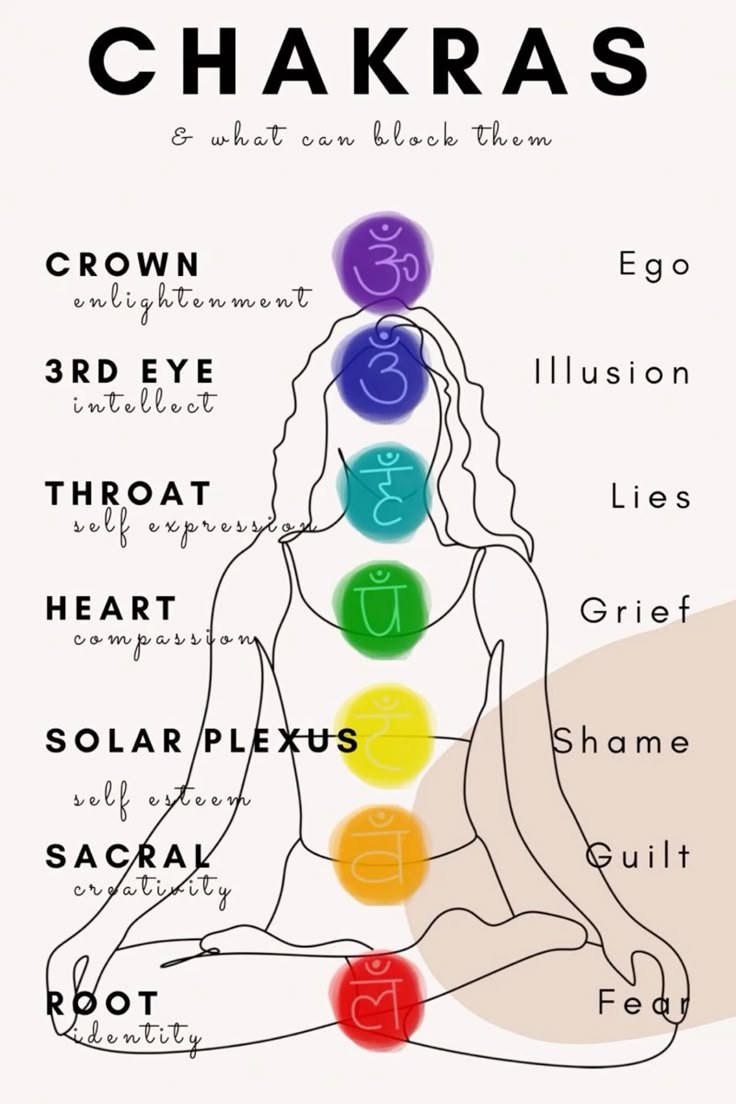
Root Chakra ( Red ) Grounding & Safety: Open by feeling safe in your body and connected to the Earth. Practices include grounding (walking barefoot, deep breathing), creating stability in daily life, and tending to basic needs like rest, nourishment, and security.
Sacral Chakra ( Orange ) Flow & Emotion: Open by allowing emotions to move without judgment. This can be done through creative expression, gentle movement like dancing, pleasure, and honoring feelings, which help restore flow and openness.
Solar Plexus Chakra ( Yellow ) Personal Power: Open by reclaiming your sense of inner authority. Practices include setting boundaries, acting from self-trust, and releasing all shame or self-doubt through awareness and compassion.
Heart Chakra ( Green ) Love & Connection: Open by softening into compassion for yourself first, then others. Gratitude, forgiveness, grief release, and heart-centered breathing naturally expand this space.
Throat Chakra ( Blue ) Truth & Expression: Open by speaking and living your truth. Honest communication, journaling, singing, and releasing fear of being seen or misunderstood support this chakra.
Third Eye Chakra ( Purple ) Insight & Inner Knowing: Open by quieting the mind and trusting your inner perception. Meditation, reflection, and reducing mental overstimulation allow intuitive clarity to emerge.
Crown Chakra ( Violet ) Unity & Awareness: Open through surrender rather than effort. Silence, contemplation, prayer, and a sense of awe or connection to something greater allow this chakra to unfold naturally.
Me & THC

First of all, I am not here to promote substances; I am here to show you how incredible a mindshift can be.
For most of my life, I couldn’t tolerate THC. While others relaxed, I would freeze. I’d feel anxious, overwhelmed, and trapped in my own mind, vowing never to touch THC again. I always assumed something was wrong with me.
Years later, after a deep spiritual awakening and finally understanding my neurodivergence, something unexpected happened. I tried THC again because my insomnia was real, and I wanted to use something other than prescription medication. This time, I found that I could enjoy it without the horrible mental side effects. Nothing about the substance changed……..I changed; my thinking had shifted.
I became someone who finally felt safe inside myself. I healed my nervous system through my spiritual awakening. When we heal and truly arrive in our own body, even the things that once overwhelmed us can become peaceful.
This is why I support others on their awakening journey, because when we come home to who we are, life stops feeling dangerous and starts becoming livable, meaningful, and real.
Tinnitus or Monad Ringing
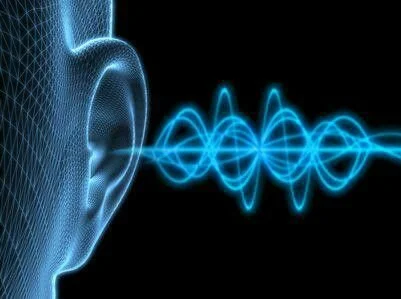
The monad ringing term is used in some spiritual and metaphysical frameworks to describe a high-frequency inner tone or ringing associated with contact or alignment with the Monad, often understood as the oversoul, higher self, or divine spark that exists above the soul level. This isn’t a clinical term, as it’s different from ordinary tinnitus in how it’s described and experienced.
Spiritually speaking, monad ringing is said to occur when awareness shifts beyond personality and even soul identity, into a more unified, singular presence. The Monda is considered non-dual, not fragmented. The sound is often described as: Very high-pitched, pure or crystalline, steady rather than erratic, sometimes perceived as coming from everywhere, not just the ears. Many people say it feels less like a noise and more like a vibrational state.
Monad ringing is experienced in the body as a sense of stillness in the core. Pressure or expansion at the crown, upper spine, or behind the eye. The nervous system feels quiet, neutral, or spacious. The ringing may increase in silence or during meditation. There’s often no emotional charge, just presence. Some describe it as the body “tuning” to a higher octave of awareness.
Monad ringing differs from other types of spiritual ringing. Emotional or integration ringing fluctuates and comes with confusion or processing. This can overstimulate the nervous system and become agitating and uncomfortable. Monad ringing is calm, stable, non-reactive, and almost background-like. It’s often noticed after major integration phases, not during upheaval.
Interpretations vary on monad ringing, but commonly it’s said to indicate: Stable embodiment of higher consciousness. A shift from seeking to being. Less identification with story, role, or path. Awareness is anchored in unity. Importantly, many traditions say this isn’t something to chase - It’s something that becomes noticeable when the system is already coherent.
My grounding note is that not all ringing is spiritual, and physical causes should always be ruled out if there’s discomfort, hearing changes, or distress. But when people use the term monad ringing, they’re pointing to a felt, embodied state of alignment, not a symptom to fix.
Nervous System Healing by Spiritual Awakening
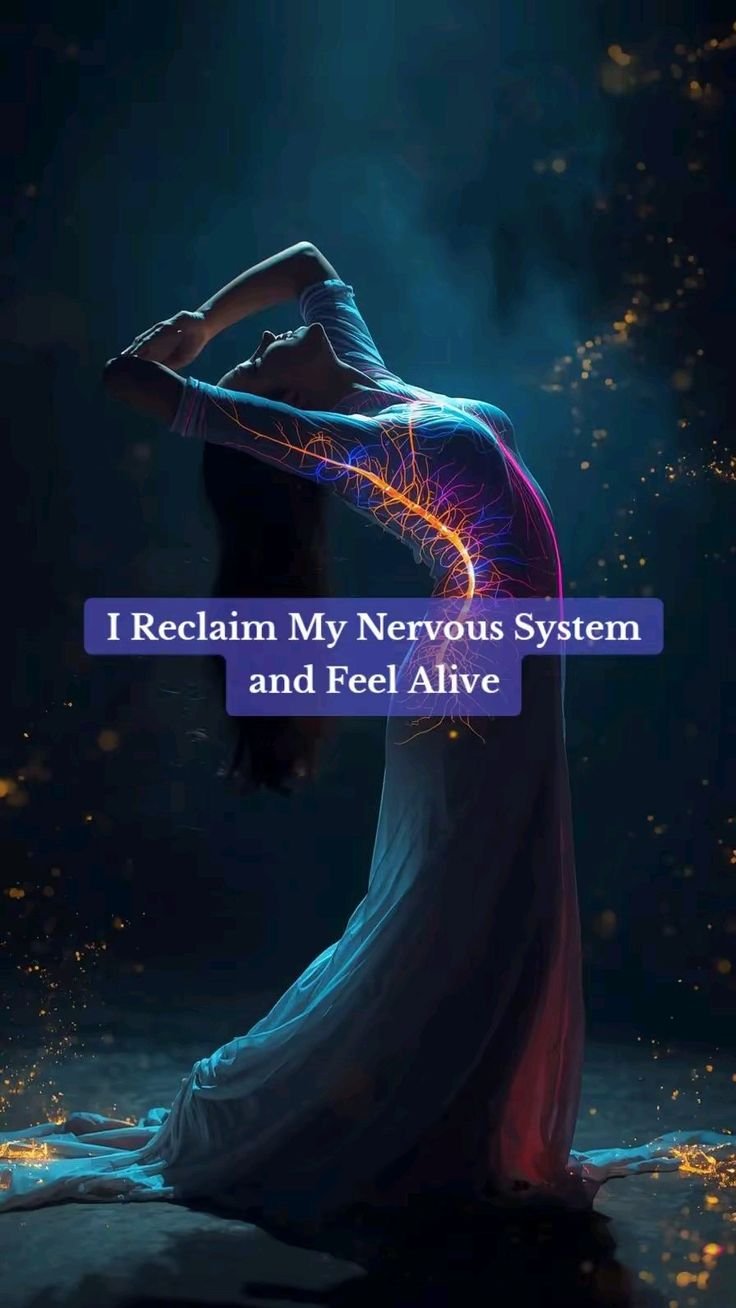
Safety replaces survival. Before awakening, many people live in a quiet fight-or-flight state. Always thinking, always bracing, always scanning for what’s next. A spiritual awakening often brings a felt sense of safety, not because life is perfect, but because you stop resisting reality. When the body senses safety, the nervous system shifts from sympathetic (stress) to parasympathetic (rest and repair). This is where healing happens.
The mind stops overriding the body. Chronic stress teaches the nervous system to ignore signals and to push through. Awakening reverses this. You begin to notice sensations, rest when tired, breathe more fully, and listen instead of forcing. This restores interoception ( the brain’s ability to feel the body), which is essential for nervous system regulation.
Emotions finally get to complete. Unprocessed emotions keep the nervous system stuck on “high alert.” When old emotions surface, they’re felt without suppression, and they move through instead of being stored. This discharges stored stress from the body and is often felt as sighs, tears, shaking, yawning, or warmth.
Identity softens because there is less threat. Much of nervous system stress comes from defending an identity: Having to be right, being enough, being safe, being liked. Awakening loosens this grip, and you stop taking life so personally. When there is less perceived threat, fewer stress signals are sent to the brain.
Presence regulates automatically. Presence isn’t a concept; it’s a biological state. When our attention rests in the present, our breathing slows, our heart rhythm smooths, and our muscles soften. This directly activates the vagus nerve, the main regulator of calm and connection. You don’t “heal” the nervous system; you stop activating it unnecessarily.
The system learns a new baseline. Over time, the body relearns: “I don’t have to be on guard to exist.” This creates: fewer stress reactions, faster recovery after triggers, deeper rest, and emotional resilience. That’s a nervous system healing.
A spiritual awakening heals the nervous system by restoring safety, presence, and emotional completion, allowing the body to exit survival mode and return to its natural state of regulation.
Why the Holidays May Feel Different in 2025

Many people are feeling a quiet disconnection from the holidays, not because something is wrong but because something within has shifted. From a spiritual perspective (nothing religious), holidays are collective rituals rooted intradition, expectation, and emotional momentum. When inner awareness deepens, those external rhythms may no longer resonate in the same way.
As people move from living by programmed roles into living from presence, forced cheer, nostalgia, and overstimulation can feel hollow or overwhelming. Time itself may feel less linear, making seasonal markers carry less emotional weight. Meaning becomes continuous rather than tied to specific dates.
This disconnection isn’t a loss of joy or gratitude; it’s often a sign of integration. The spirit may be asking for authenticity over performance, subtle connection over symbolism, and gentler ways of honoring what truly brings joy now.
It’s important to note: feeling disconnected does not mean being unloving, ungrateful, or broken. It often means the inner world has matured beyond symbolic reinforcement. The heart may be less reactive, less driven by sentimentality, and more grounded in subtle presence.
For those navigating this shift, there is no requirement to reject the holidays or to force yourself into them. Many find peace in participating gently: honoring loved ones, creating small personal rituals, or simply allowing the season to pass without self-judgement. Spiritually, this is not disengagement. It’s integration. Integration is when spiritual understanding settles into your nervous system, behavior, relationships, and choices.
Sometimes the most sacred thing we can do during the holidays is to listen inward and let that be enough.
Spiritual Coherence

Spiritual coherence means inner alignment. When your thoughts, emotions, body, and energy are working together in harmony rather than pulling in different directions.
Spiritual coherence is the state where your inner self aligns with how you live, feel, and express yourself.
When you’re coherent:
Your mind is clear rather than fragmented.
Your emotions flow without being suppressed or overwhelming.
Your body feels regulated and present.
Your intuition and actions are aligned.
Your values, truth, and behavior match.
Energetically, in spiritual language, coherence often describes:
A steady, calm nervous system.
Smooth energy flow rather than spikes or collapses.
A feeling of being centered, grounded, and whole.
Signs You’re in Coherence:
You feel settled but awake.
Decisions feel simpler.
Boundaries arise naturally, without force.
You respond rather than react.
You feel “more yourself” and less performative.
Coherence does not mean constant bliss or positivity. It means authentic flow, allowing sadness, joy, stillness, and creativity to exist without inner war. Spiritual coherence is wholeness in motion.